
Plenty of patients walk into an appointment curious about cannabis and walk out without ever mentioning it. That silence costs them useful guidance. If you’re considering medical marijuana for chronic pain or trouble sleeping, a licensed healthcare provider can tell you whether it suits your health history and how to use it safely.
Preparation pays off in these situations. Many primary care visits last only 15 to 20 minutes, which isn’t much time to cover dosing and drug interactions from memory. The questions below are grouped by topic so you can get through the most important ground first. Print them out and add your own before the visit.
Is Medical Marijuana a Good Fit for My Condition?
Start by looking closely at your specific diagnosis. Because the evidence behind cannabis is uneven, a good provider will be upfront about where your condition will benefit from usage. The U.S. Food and Drug Administration (FDA) has approved a small group of cannabinoid-based drugs, including Epidiolex for two rare seizure disorders and dronabinol for chemotherapy-related nausea. The whole cannabis plant, however, has never been approved by the FDA for any medical use.
Pain is a good example of how modest the data can be. For example, a 2018 review of 47 studies covering 4,743 participants found that only 29% of people using cannabis or cannabinoids saw their pain drop by 30%, compared with 26% of those on a placebo. That gap is small. Whether it’s worth the trade-offs for you is exactly what your provider can help you weigh.
A few direct questions help pin this down:
- What Does the Evidence Say: Is there solid clinical data for my condition, or is support mostly anecdotal?
- Where Does Cannabis Fit: Should it be added to my current treatment, or tried only after other options?
- What Is Realistic: Which symptoms might improve, and which probably won’t change?
Which Product Type and Delivery Method Should I Use?
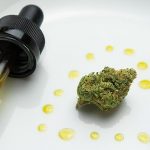
How cannabis enters your body changes almost everything about the experience. Inhaled cannabis from a vaporizer usually takes effect within minutes and fades after 2 to 4 hours. Edibles and capsules, in comparison, work on a much slower clock. Effects may not appear for 30 minutes to 2 hours, and they can linger for 6 hours or longer, which is why first-time users sometimes take a second dose too soon. Tinctures held under the tongue fall somewhere in between, while topicals are generally used for localized discomfort.
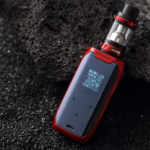
Vapers often assume the setup they already own will work fine for medical use. Sometimes it will. However, device temperature and cartridge ingredients still deserve a second look, and this breakdown of how medical cannabis vapes differ from recreational ones gives you specific points to raise with your provider.
What THC and CBD Balance Makes Sense for Me?
Tetrahydrocannabinol (THC) and cannabidiol (CBD) are the two compounds you’ll see on nearly every label. THC produces the high and may help with pain or appetite. CBD is non-intoxicating, and some patients use it alongside THC to soften its effects. Beyond these two, more than 100 other cannabinoids have been identified, though few have been studied in people to any notable extent.
Ask your provider to suggest a starting ratio and dose. Small amounts are usually recommended for new patients, often 2.5 mg of THC or less, with a few days between adjustments. Find out what to do if a dose feels too strong, and be sure to write the answers down, because details like these are easy to forget once you’re home.
Could Cannabis Interact With My Current Medications?
Give this question the most time and consideration. Cannabis compounds are broken down by the same liver enzymes that process many prescription drugs, including some blood thinners and seizure medications. According to the National Institutes of Health (NIH) fact sheet on cannabis and cannabinoids, CBD use has been associated with liver injury and drug interactions, and some of those effects showed up in clinical trials of the purified prescription form.
Come prepared by bringing a complete list to the appointment. Include every prescription and over-the-counter product, plus vitamins and herbal supplements. Combining cannabis with alcohol or sleep aids can increase drowsiness, so mention those too. Then ask whether any doses need adjusting and whether bloodwork makes sense after you start.
Which Side Effects Should I Watch For?
Side effects tend to be mild for most adults. A few are worth knowing in advance, so ask your provider about the following:
- Dizziness on Standing: Cannabis may cause orthostatic hypotension (a quick drop in blood pressure that raises the risk of falls), especially for older adults.
- Slower Reaction Time: Cannabis use has been linked to a higher risk of car crashes, so ask how long to wait before driving.
- Mood or Thinking Changes: Frequent use has been tied to a greater risk of psychosis in people already predisposed to it.
- Dependence: Some users develop cannabis use disorder, and adolescents are four to seven times more likely than adults to develop it.
- Severe Vomiting: A rare condition with recurrent vomiting can appear in some long-term, high-dose users.
Then ask the follow-up most people forget: Which symptoms mean you should stop and call the office?
How Can I Tell a Product Is Safe and Accurately Labeled?
Labels are not always accurate. Some cannabis products contain cannabinoid levels that differ substantially from what the packaging claims, and contamination with pesticides or microbes has been reported. To protect your health and ensure you get what you pay for, ask your provider how to read a certificate of analysis (COA), which lists potency and screens for contaminants. This guide on why lab-tested cannabis strains are worth the extra cost walks through what a trustworthy COA should include.
Vape cartridges call for extra caution. The FDA has warned the public against THC vaping products bought off the street, since products like these were implicated in a wave of serious lung injuries in 2019. Most state medical programs require licensed dispensaries to sell tested products, and that is one reason your provider will likely point you toward them.
What Do the Laws Say Where I Live?
Medical marijuana programs are run at the state level, and the rules differ widely. This means a condition that qualifies in one state may not count across the border. Ask your provider or their office staff how certification works in your state and how long a recommendation stays valid. Possession limits and renewal fees are worth confirming as well.
Federal law still restricts cannabis, so traveling across state lines with it can cause problems. Ask about employer drug testing too, since a medical card won’t always protect your job.
How Will We Measure Progress?
Every treatment plan needs a way to judge results accurately and with clear evidence. Ask which outcomes you should track, such as pain scores or hours of sleep, and when your first follow-up visit should happen. A simple symptom journal works well for this. Note the product, the dose, the time, and how you felt an hour later. After a few weeks, patterns usually become clear enough for your provider to fine-tune the plan or suggest stopping.
Walking Into the Appointment Prepared
Honesty makes for a smoother and more productive healthcare conversation. Tell your provider about any past cannabis use, including recreational use, because it affects dosing advice. Bring your medication list along with your written questions, and don’t hesitate to ask follow-ups when an answer isn’t clear. Providers would much prefer a patient who shows up with too many questions over one who leaves confused. And if a new or worsening symptom appears, cannabis should never become a reason to put off seeing a professional.